

Doors in Dubai: A Buyer’s Guide to Comfort, Security, Noise Control, and Long-Term Durability
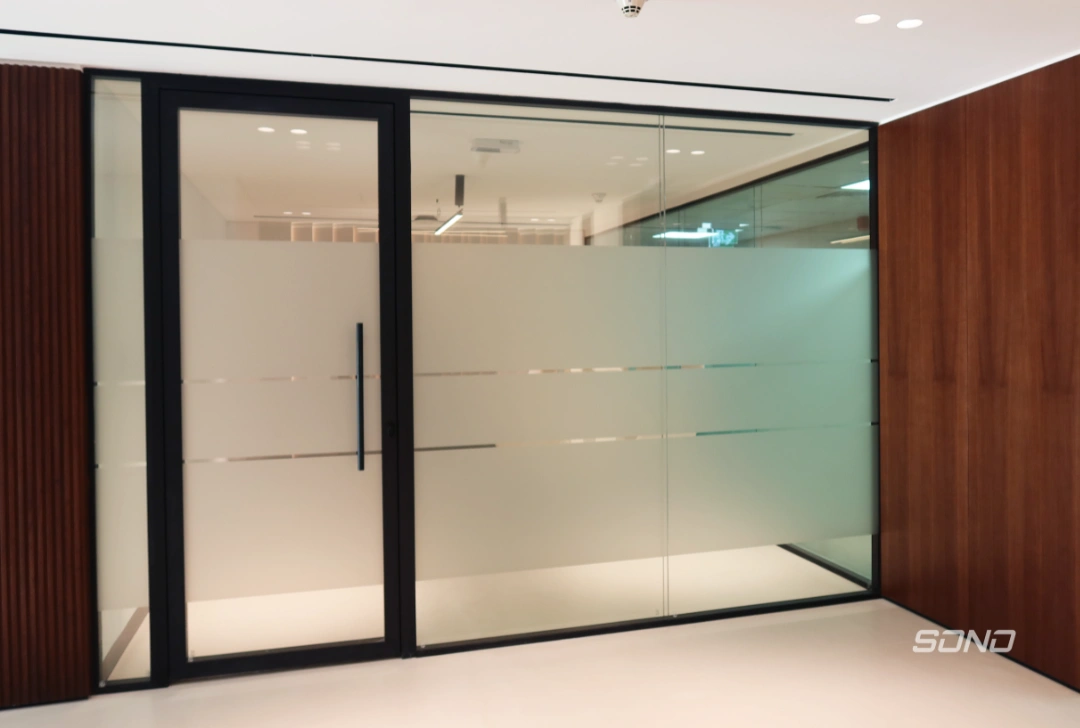
Choosing doors in Dubai is not only about design. In Dubai, doors face intense sun, high cooling demand, dust, occasional wind-driven rain, and in many areas, steady traffic and construction noise. So, the right door system improves comfort and reduces maintenance. The wrong choice can mean dust leakage, rattling panels, sticky tracks, misaligned locks, and noise that never really goes away.
Many people search doors dubai expecting a simple answer. In reality, door performance comes down to the full system: frame stability, seals, hardware, thresholds, glass (if glazed), and installation accuracy. This guide gives you a practical buying checklist that works for villas, apartments, and fit-out projects in Dubai.
If you want to see options and service scope, start with our door solutions in Dubai.
Key takeaways
- Airtightness controls dust and noise more than most buyers expect.
- Sliding doors can perform well, but only with strong seals and proper rollers.
- Hinged doors usually seal better, but alignment and hinge rating matter.
- Pivot doors look premium, but structure and swing clearance decide usability.
- Threshold detail is not a finishing item. It affects water control, dust, and daily comfort.
- A great quote is a clear quote: system series, sealing method, hardware grade, glass build-up, warranty.
Why Dubai needs a different door checklist
Dubai conditions amplify small issues. A minor gap in a mild climate can become a dust path in Dubai. Similarly, a door that feels smooth at handover can start scraping after weeks if the frame is not plumb or the rollers are not rated correctly.
Dubai buyers typically care about:
- Heat control for comfort and AC efficiency
- Airtightness to reduce dust entry and drafts
- Noise reduction for highways, construction zones, and dense communities
- Security and reliable locking
- Hardware durability for daily use in dusty conditions
- Building rules for apartments and managed communities
If you treat doors as a complete system, you get long-term comfort. If you treat them as a design item only, performance issues show up later.
Door types used in Dubai and where each fits best
Sliding doors
Sliding doors save space and suit apartments and modern villas. They work well for balconies and large openings. However, sliding doors rely heavily on roller quality and correct load rating, straight track installation and accurate alignment, and interlocks and seals to control dust and noise.
If sliding doors are part of your scope, noise control is often linked to sealing. For deeper sound reduction context, refer to sound reduction options for homes.
Hinged doors
Hinged doors can seal strongly when designed and installed correctly. They often suit main entrances, service doors, smaller balcony doors, and internal doors where sealing matters.
Key dependency: hinge rating and alignment. A hinged door can look perfect but still scrape if the frame twists slightly during installation.
Pivot doors
Pivot doors are common for statement villa entrances. They can look clean and premium, but they require correct structure support, correct pivot positioning, enough swing clearance, and accurate installation alignment.
If you are considering pivot systems, review pivot door options for Dubai villas and focus on structure and clearance early, not after finishes are done.
Sliding vs hinged vs pivot: quick comparison table
| Feature | Sliding doors | Hinged doors | Pivot doors |
|---|---|---|---|
| Best for | balconies, patios, large openings | entrances, service doors, smaller openings | premium villa entrances |
| Space requirement | low, no swing | needs swing clearance | needs swing clearance, often larger |
| Dust control potential | medium to high (depends on seals) | high (if sealed well) | medium to high (depends on design) |
| Noise control potential | medium to high (system dependent) | high (system dependent) | medium to high (system dependent) |
| Common weak point | rollers, alignment, interlocks | hinge rating, frame alignment | structure support, clearance, alignment |
| Maintenance | track cleaning is essential | hinge and lock checks | alignment and hardware checks |
Use this table as your starting filter, then use the performance specs below to avoid outcomes that look good but perform poorly.
The 7 specs that decide real performance for doors in Dubai
1) Airtightness: the real fix for dust and drafts
Dust usually enters through air paths, not through the panel itself. Airtightness depends on continuous perimeter gaskets, interlock design on sliding panels, correct compression when the door closes, and clean frame-to-wall sealing and finishing.
Practical handover check: close the door and check for light leakage around seals. Light gaps often mean air gaps.
2) Sealing system: interlocks, gaskets, and brush seals
Not all seals perform the same. Ask what gasket type is used around the perimeter, what interlock profile is used on sliding panels, whether there is a brush seal, compression seal, or both, and how the frame-to-wall joint is sealed.
A strong seal system reduces dust and improves noise control.
3) Heat control for glazed doors: glass and exposure matter
For balcony doors and large glazed doors, heat control depends on glass choice and exposure. West-facing openings are usually the harshest due to afternoon sun.
4) Acoustic comfort: gaps ruin soundproof claims
Noise leakage usually happens through gaps first. Better acoustic comfort depends on airtight closing lines, consistent seals and correct compression, proper installation with no hidden voids around the frame, and a correct threshold detail.
If noise is a priority, see sound reduction options for homes and treat the door as part of an overall sealing plan.
5) Hardware grade: rollers, hinges, locks, handles
Hardware is what you touch daily. For sliding doors, ask for roller rating and suitability for panel weight, track material and finish, and adjustability for future alignment tuning.
For hinged doors, confirm hinge rating and quality, lock type and alignment method, and closing action and latching consistency.
For pivot doors, confirm pivot system grade and structure support, plus serviceability and alignment tolerance.
6) Threshold and drainage: balcony reality in Dubai
Threshold design affects water control during wind-driven rain, dust entry at the bottom, cleaning practicality, and trip risk and accessibility. Ask how water is managed at balcony doors and how the sill detail integrates with waterproofing.
7) Corrosion resistance: coastal and high humidity zones
If you are near the coast, hardware and finishes matter more. Ask whether hardware is corrosion-resistant, what finish type is used and whether it is suitable for humidity, and what maintenance routine is recommended.
For broader comfort principles, you can reference ASHRAE guidance on thermal comfort.
Dubai scenarios: what works in apartments, villas, and noisy zones
This is where many guides fail. Dubai homes have very different constraints depending on location, building rules, and exposure.
Scenario 1: Apartment balcony door in high-density areas
Common priorities include track stays smooth with daily dust exposure, seals reduce dust and outdoor smell, safe operation and stable locking, and approvals and building management constraints. Sliding doors can work well here, but only with proper interlocks and roller quality.
Scenario 2: Villa entrance door with strong sun exposure
Common priorities include a stable frame that stays aligned over time, reliable locking and security feel, weather sealing at the perimeter, and finish durability. Pivot doors can suit villa entrances if structure and clearance are planned properly. Otherwise, hinged systems with strong seals can deliver excellent daily performance.
Scenario 3: Homes near highways or active construction
Common priorities include airtightness and sealing consistency, acoustic-focused system decisions, correct thresholds to prevent leakage paths, and installation quality checks at handover. In this scenario, installation quality matters as much as product choice.
Scenario 4: Coastal or high humidity zones
Common priorities include corrosion-resistant hardware, finishes suited for humidity, and maintenance access and routine.
Buyer checklist for doors in Dubai (use this before accepting any quote)
This checklist helps you compare quotes properly and reduces surprise add-ons later.
Quotation and specification checklist
- Confirm door type per opening (sliding, hinged, pivot).
- Confirm system series and profile, not only aluminium door.
- Confirm sealing method (gaskets, interlocks, threshold sealing).
- For glazed doors, request glass build-up details in writing.
- Confirm hardware grade and what is included (rollers, hinges, locks).
- Confirm threshold and water management approach for balconies.
- Confirm finish specification and location suitability.
- Confirm warranty for product and installation workmanship.
- Confirm timeline for measurement, fabrication, installation, finishing.
Site and coordination checklist
- Confirm access constraints (villa vs high-rise).
- Confirm approvals if apartment-based.
- Confirm waterproofing sequence at thresholds.
- Confirm protection plan for floors, walls, finishes.
- Confirm post-install adjustment support.
If your project includes glazed openings and you want more context on glass and frame choices, review window systems and glazing options.
What affects the cost of doors in Dubai
Door pricing varies because projects differ in opening sizes, access, and performance targets. Key cost drivers include door size and weight, glass specification for glazed doors, hardware grade, sealing and finishing scope, and installation complexity.
People often compare doors dubai quotes like they are identical. They rarely are. The best approach is to compare written specs line by line and confirm sealing and hardware clearly.
If your project involves high-rise access or façade-side constraints, rope access support for high-rise work may be relevant depending on building access.
Handover checklist: how to inspect doors on installation day
This section is often the difference between looks good and works well for years.
1) Operation test
- Open and close the door slowly, then at normal speed.
- Check for scraping, rubbing, or sudden resistance.
- Confirm the door stays stable and does not wobble.
2) Seal and gap check
- Check for visible light gaps around seals when closed.
- Check corners, interlocks, and the bottom threshold line.
- Confirm the closing pressure feels consistent.
3) Locking and alignment
- Lock and unlock multiple times.
- Confirm the handle does not need forcing.
- Confirm the latch engages cleanly.
4) Track and threshold detail
- Check that the track is clean and aligned.
- Confirm track covers or drainage paths are not blocked.
- Confirm threshold is finished cleanly and feels safe underfoot.
5) Frame-to-wall finishing
- Inspect sealant lines for continuity.
- Confirm there are no open voids or unfinished gaps around the frame perimeter.
Take photos during handover. If adjustments are needed, it is easier to solve immediately.
Common mistakes Dubai buyers make (and how to avoid them)
Mistake 1: Choosing the cheapest quote without comparing specs
Low quotes often hide compromises in seals, hardware grade, glass build-up, or installation scope.
Mistake 2: Assuming glass alone fixes heat and noise
Glass helps, but gaps defeat it. Airtightness and installation decide real performance.
Mistake 3: Ignoring sliding hardware and track quality
Weak rollers and poor alignment lead to heavy operation and growing gaps over time.
Mistake 4: Treating thresholds as a finishing detail
Threshold errors become daily annoyances: dust entry, water issues, and cleaning problems.
Mistake 5: Not planning maintenance for dusty conditions
Tracks collect dust. Choose designs that are easy to clean and service.
Maintenance tips for doors in Dubai (simple and effective)
For sliding doors
- Vacuum tracks regularly.
- Wipe tracks with a damp cloth and dry them.
- Avoid heavy oils that trap dust and create grime.
- Request adjustment early if operation becomes heavy.
For seals and frames
- Clean seals gently and avoid harsh chemicals.
- Check corners and seal continuity periodically.
- Inspect external sealant lines after storms.
For locks and handles
- Keep lock areas clean from dust buildup.
- Correct misalignment early rather than forcing the handle.
Conclusion: doors in Dubai perform best when the full system is correct
The best doors in Dubai are not defined by one feature. They perform well because the full system is right: frame stability, sealing, hardware, thresholds, glass (if glazed), and installation accuracy. Use the checklist above, insist on written specifications, and test operation at handover.
If you want to review options and plan the right system for your project, start with our door solutions in Dubai. For a quick background reference, see about SONO.
FAQ: Doors in Dubai (schema-friendly questions and answers)
1) What door type is best for Dubai apartments?
Sliding doors often suit apartments because they save space. Performance depends on sealing quality, interlocks, and rollers, so choose a system that closes tightly and stays easy to clean.
2) Do sliding doors help reduce noise in Dubai?
They can, but only if the system closes airtight and is installed correctly. Noise leaks through gaps first, so prioritize seals and alignment, then confirm the right glass build-up if needed.
3) Why does dust enter even when doors are closed?
Dust usually enters through small gaps at seals, interlocks, thresholds, or the frame-to-wall joint. Better airtightness and correct installation typically reduce dust more than changing panel material.
4) Are pivot doors practical for Dubai villas?
Yes, if structure support, pivot positioning, and swing clearance are planned correctly. Hardware grade and installation accuracy matter more than appearance alone.
5) What affects the cost of doors in Dubai the most?
Door size, glass specification for glazed doors, hardware grade, sealing method, and installation complexity are the biggest cost drivers. Clear written specs help compare quotes fairly.
6) How long does door installation take in Dubai?
It depends on fabrication lead time, site access, number of openings, and finishing coordination. Clear measurement timing and a defined finishing scope help prevent delays.
7) Do I need special doors for coastal areas in Dubai?
Coastal zones benefit from corrosion-resistant hardware and suitable finishes. A simple cleaning routine and timely adjustments help protect long-term performance.
8) Can doors be made quieter without replacing everything?
Often yes. Improving sealing, fixing alignment, and correcting threshold gaps can make noticeable improvements. For high-noise zones, a sound-focused system may be needed.